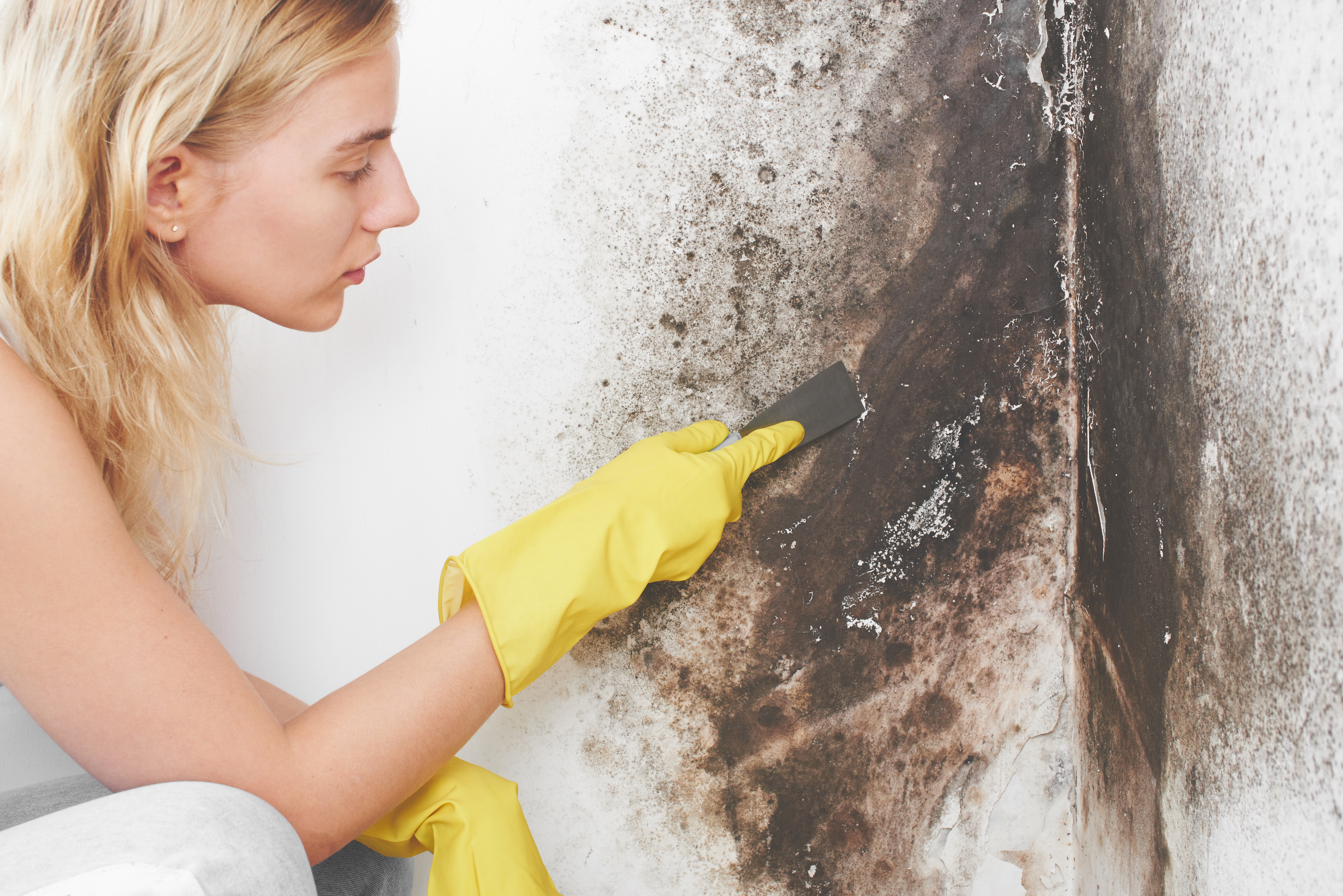
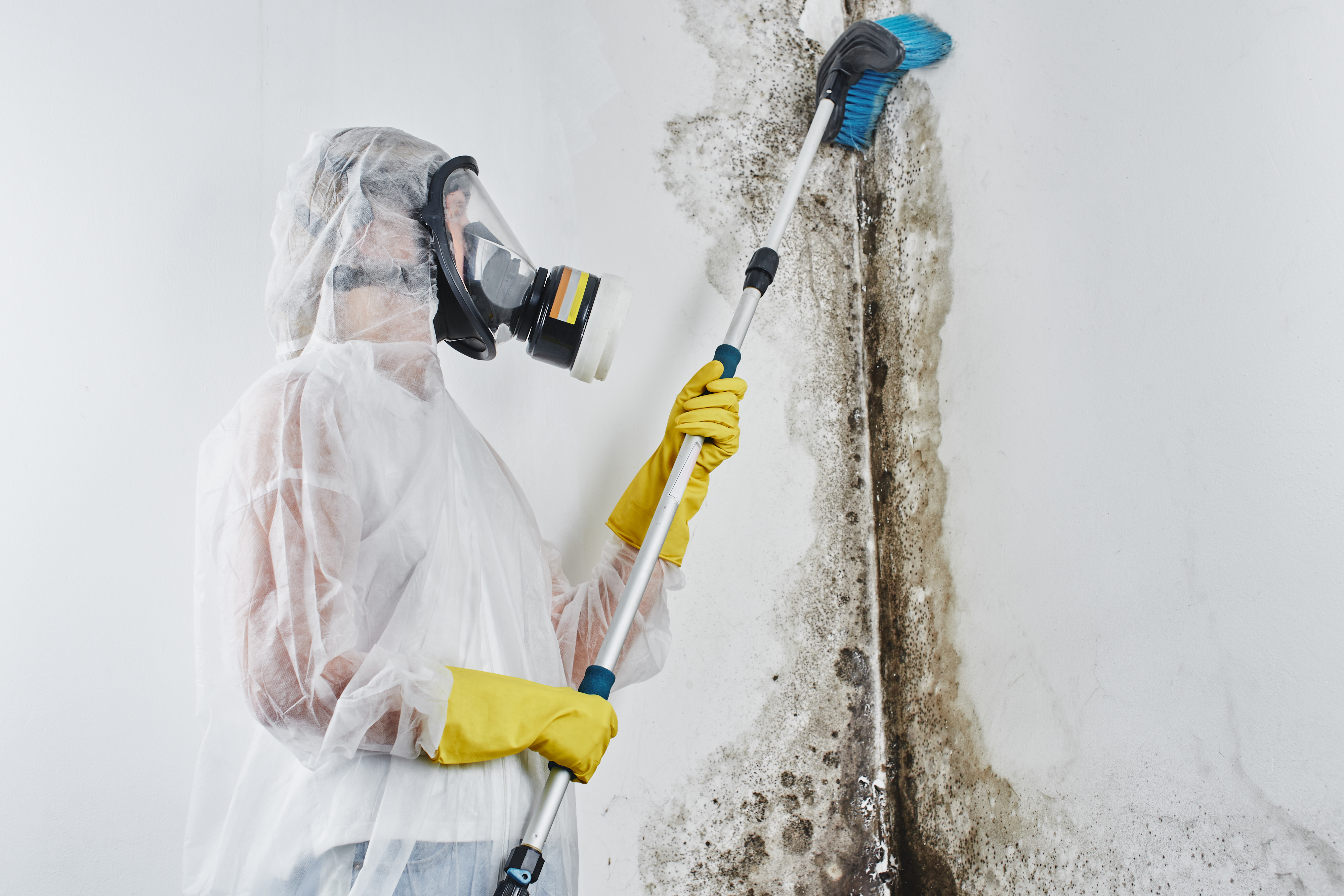
When mold is spotted either by visual inspection or by electronic means making use of moisture meters and also other digital devices. When mold is located it might be advisable to carry out a test of the sort of mold identified. Water damages, moist problems and water leakages all present a condition which is conducive to mold growth. Mold and mildew testing is one of the most accurate methods of establishing whether mold and mildew is possibly hazardous to human health.
How Are Mold Tests Carried Out?
Generally, a sample of the air or a surface area has to be taken for mold and mildew testing. Our mold inspectors essentially "tests" the air or surface to identify what kind of mold exists and/or if the mold has the ability to grow in the location analyzed. Here at Exparn Mold Remediation we can carry out mold and mildew testing for you when the existence of mold and mildew has actually been spotted.
Why have a mold and mildew examination carried out?
Mold tests are carried out when it suspected that a residential or commercial property has a mold issue and also the type of mold growth must to be ascertained. The interior air quality is negatively effected by the existence of mold and mildew.
Harmful mold brings with it a high threat to human health and therefore it is important that the sort of mold and mildew is determined to secure both the property owner and also the residents of the structure.
If a home has bad ventilation, has had water damages, has a water leakage or goes through high humidity levels, it is at greater danger of mold infestation. Visible mold and mildew may be apparent or a musty odor might suggest the existence of hidden mold development.
A mold and mildew evaluation might have been carried out which has actually caused the need for mold testing to be done.
Evaluating for Mold: Air Samples
There are numerous approaches for collecting and also evaluating air samples The technique that is utilized the most regularly is referred to as a "spore trap sample" In order for spore traps to function, a known volume of air should pass through the sample tool, impact a sticky surface area, and afterwards exit. Most of airborne particles interact with this sticky surface also, sticking to and being trapped on it as a result. A subset of these "particles in the air" are mold spores, which are additionally caught by the sticky material inside the spore trap. The mold and mildew testing laboratory opens up the spore trap when it obtains it for study, places some stains to the adhesive surface area that the mold and mildew spores can absorb, and then figures out and measures the kinds of mold and mildew spores that were captured throughout the sample process. Various other mold sampling methods exist, such as cultivating or growing mold spores that have actually been gathered from the air, however, they are much less regularly used.
Examining for mold and mildew: Surface area samples.
There are numerous approaches for accumulating surface area samples. The 3 most common methods are:
big samples. Swab samples are used to physically eliminate a section of the tested area and send it to the mold and mildew testing laboratory. The location being sampled, which is frequently a measured area, is touched with something appearing like a cotton swab prior to being delivered to the mold testing facility.
Tape may also be employed as a method to collect samples. Collecting up and removing several of the mold spores that are on the surface areais carried out, a piece of transparent tape is related to and gotten rid of from the location being tested before being provided to the mold testing center for evaluation.
There are numerous methods to evaluate the mold and mildew examples once they have actually been sent out to the research laboratory for mold and mildew screening. The most typical processes involve placing relevant pieces (or the whole mold and mildew example) on a glass microscope slide, putting a tarnish on it that mold and mildew spores can take in, and then analyzing the sample for signs of mold growth.